
Large Format Printing Explained: What Retailers Need to Know
Understanding vinyl banners, poster printing, and roll materials for retail displays
Why Large Format Printing Matters for Retail
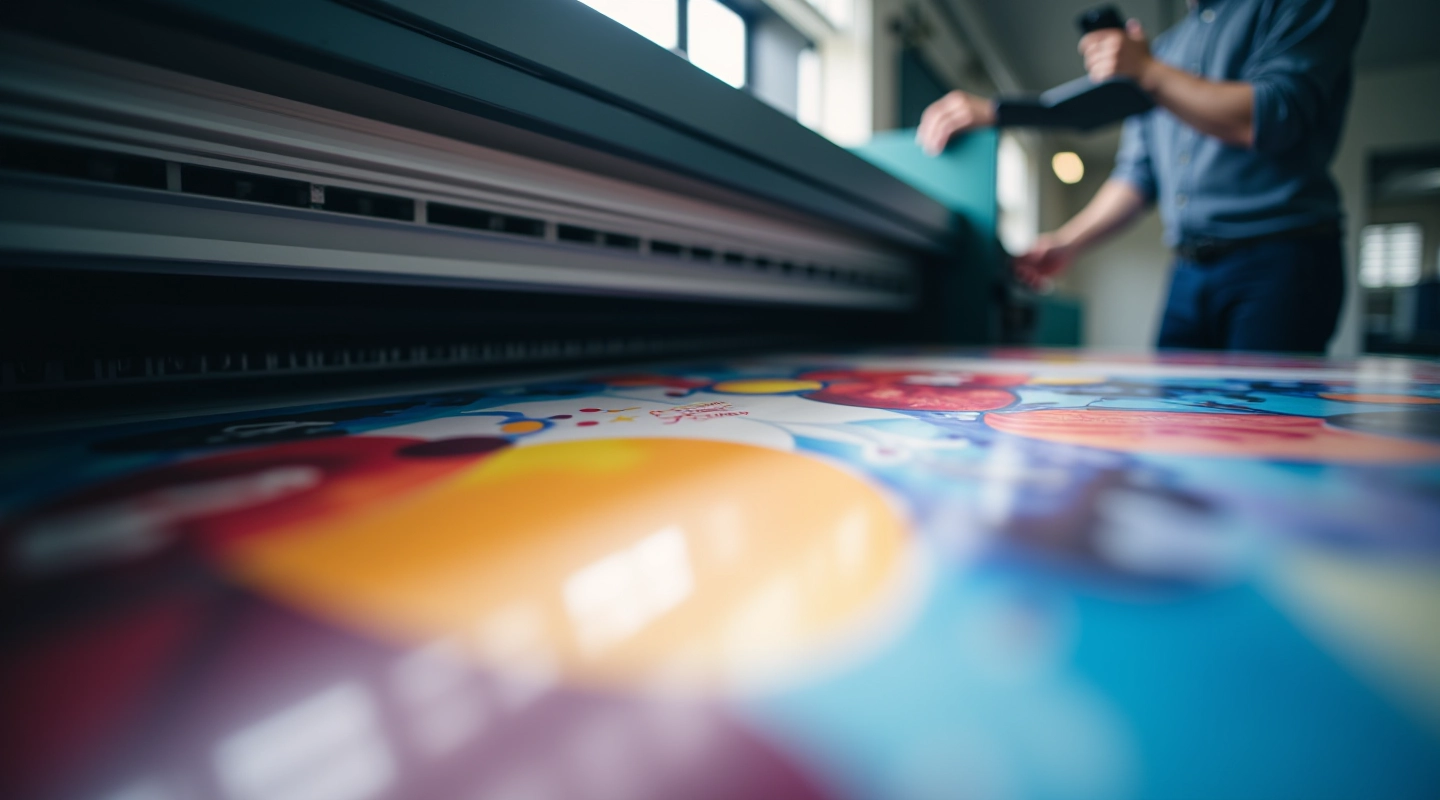
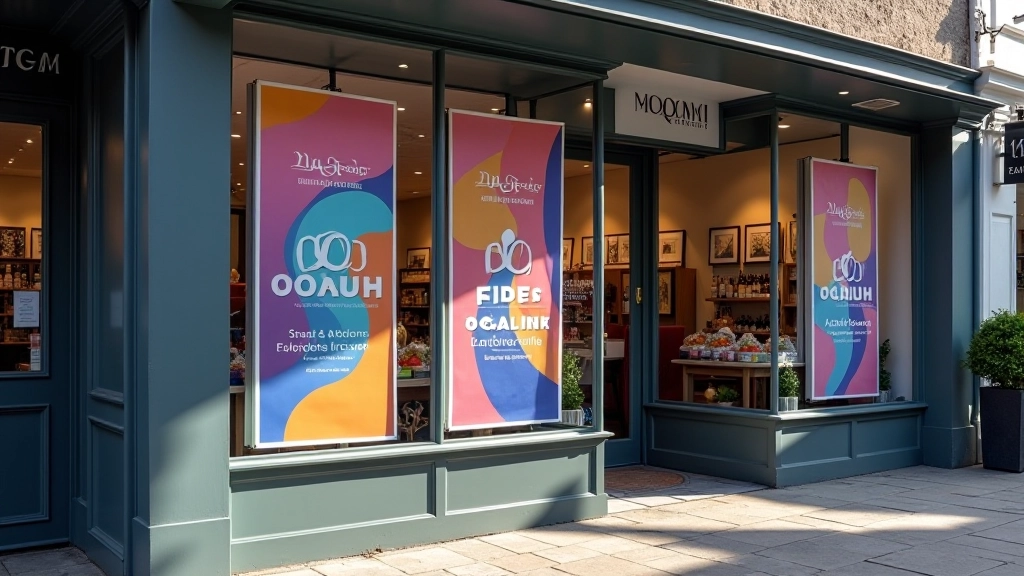
Large format printing isn't just about size — it's about impact. When you're running a retail space, your signage is often the first thing customers see. It's your chance to grab attention, communicate your brand, and drive foot traffic. We're talking vinyl banners, posters, window displays, and point-of-sale materials that actually work.
The difference between quality large format printing and cheap alternatives is noticeable immediately. You'll see it in the color vibrancy, the durability of the materials, and how well it holds up to weather, handling, and time. That's why understanding your options matters — especially when you're making decisions that'll represent your business for months at a time.
Common Large Format Materials Explained
There's no one-size-fits-all solution here. Different materials serve different purposes, and choosing the right one depends on where you're using it and how long you need it to last.
Vinyl Banners
Durable, weather-resistant, and affordable. You'll see these everywhere — outdoor promotions, seasonal sales, grand openings. They're typically 13 to 15 ounces, which means they can handle wind and rain without tearing. Most retailers prefer vinyl for temporary campaigns because they're cost-effective and deliver quick results.
Canvas & Fabric Prints
If you want something that looks more premium, canvas works beautifully indoors. It's not weatherproof like vinyl, so keep it inside. The texture and appearance are genuinely impressive — customers notice the quality immediately. Fabric prints are ideal for long-term displays where durability against sun fade isn't the main concern.
Rigid Materials (PVC & Dibond)
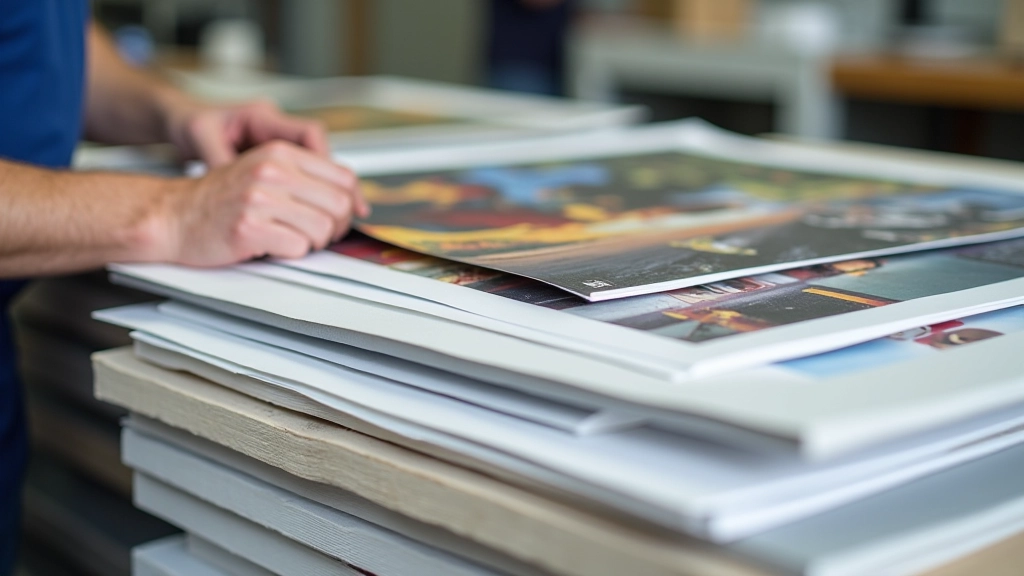
For something that'll last years with minimal maintenance, rigid substrates are your answer. They don't flap in wind, they don't wrinkle, and they look sharp. PVC is lightweight and affordable; Dibond is lighter still and more professional-looking. Both work brilliantly for permanent signage or displays that need to survive multiple seasons.
Educational Note: This article is informational and educational only. It's not financial or business advice. Outcomes and results depend on your specific situation, materials chosen, and local conditions. Always consult with your print supplier about what's best for your particular needs.
Durability & Lifespan: What to Expect
Here's what you need to know about how long these materials actually last. It's not mysterious — it's just physics and chemistry.
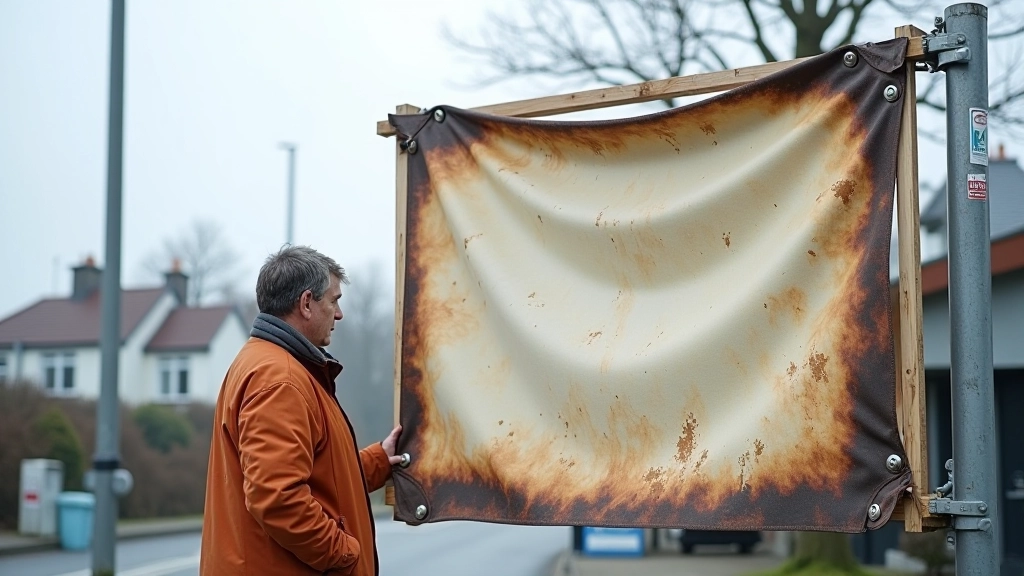
Standard vinyl banners hold up well for about 6 to 12 months outdoors in Ireland's climate. After that, you'll start noticing color fade, especially if they're in direct sunlight all day. That's not a flaw — it's normal. If you're replacing seasonally anyway, this works fine. For something permanent, you're looking at rigid materials or regular rotation.
UV-resistant inks add longevity, but they cost more. Canvas and fabric prints fade faster outdoors but look fantastic indoors for 2-3 years without issue. Rigid PVC and Dibond can last 5+ years outdoors with minimal degradation, especially if you're rotating campaigns or protecting them from constant direct sun.
The real trick? Match the material to how you'll use it. Don't invest in expensive Dibond for a 3-month summer sale. Don't cheap out on vinyl if you need it surviving winter storms. That's the strategy that saves money.
The Printing Process: What Happens Behind the Scenes
Understanding how large format printing works helps you make better decisions. It's not complicated, but there are a few key steps.
Design Preparation
Your file gets checked for resolution, color profile, and size. Most large format work needs 150 DPI minimum — that's the sweet spot between file size and print quality. If your design is lower resolution, you'll see pixelation. Higher than 300 DPI doesn't really help but doesn't hurt either.
Substrate Loading
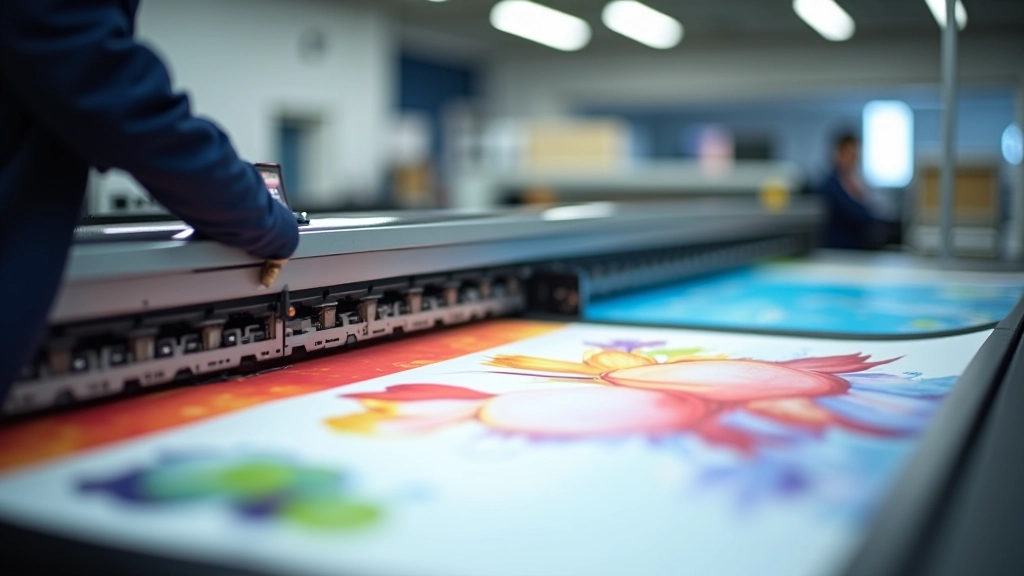
The material goes onto the printer's feed system. For roll materials (vinyl, fabric), it threads through rollers. For rigid materials, they're placed on a flat bed. This is where material choice matters — different substrates need different handling and tension settings.
Printing
Inkjet heads spray precise color onto the material. Modern printers use 4-color or 6-color systems (CMYK plus light cyan/magenta). The wider the printer, the longer the print — a 1.6m wide printer can produce banners up to that width, any length.
Finishing
After printing, the material might get lamination (protective coating), edge hemming, or mounting. This is what protects your print from UV damage, scuffing, and weather. It adds cost but extends lifespan significantly.
Cost Factors & Making Smart Choices
Cost isn't just about the base price. There are several factors that affect what you'll actually pay, and understanding them helps you budget properly.
Material is the biggest variable. Vinyl banners are cheapest. Canvas costs 20-40% more. Rigid materials (PVC, Dibond) can be double the vinyl price depending on thickness. Quantity matters too — ordering 10 banners versus 100 changes the per-unit cost significantly because setup and handling gets spread across more units.
Size affects pricing directly. A 1m × 2m banner costs more than a 0.5m × 1m banner. That's obvious, but the cost doesn't scale linearly. Doubling the size doesn't double the price — the material cost goes up proportionally, but printing and setup don't.
Finishing adds cost. Hemming (reinforced edges) costs a bit extra. Lamination (protective coating) is worthwhile for outdoor materials — it's not expensive and extends lifespan significantly. Mounting systems, grommets, or special hangings add more. Factor these in before you're surprised at checkout.
Turnaround time matters too. Rush orders (24-48 hours) cost more than standard orders (3-5 days). If you're planning ahead, you'll save money. It's worth thinking about your timeline before you request quotes.
Practical Tips for Getting the Best Results
File Quality Matters First
Don't skimp on resolution. Provide 150 DPI minimum at actual print size. Use CMYK color mode, not RGB. Supply PDFs or high-quality image formats. Poor files mean poor prints — there's no fixing it in printing.
Consider Color Accuracy
Screen colors don't match print colors exactly. Request a proof if the brand color is critical. It costs a bit extra but saves you from reprinting. Different materials also show color slightly differently.
Match Material to Purpose
Indoor display? Canvas or vinyl works. Outdoor permanent? Go rigid. Short-term promotion? Standard vinyl is fine. Don't overspend on durability you don't need, and don't cheap out on materials that'll fail quickly.
Plan Your Timeline
Standard turnaround is usually 3-5 days. If you need it sooner, you'll pay more. If you can wait, you save. Start your project planning early and you'll avoid rush fees that eat into your budget.
Invest in Protection
Lamination or UV-resistant coatings aren't luxuries — they're insurance. For outdoor materials, they're worth the investment. They protect against fade, scuffing, and weather damage. It extends the life of your print significantly.
Talk to Your Supplier Early
Before you finalize designs, ask your supplier about capabilities, limitations, and recommendations. They'll spot issues you might miss. Good suppliers catch problems before printing, not after.
Making Your Decision
Large format printing isn't complicated once you understand the basics. You've got material options, durability considerations, and cost factors. The key is matching these to your actual needs instead of guessing or going with whatever's cheapest.
Start by asking yourself: Where will this print go? How long does it need to last? What's my budget? Once you've answered those, the material choice usually becomes obvious. Vinyl for temporary outdoor, rigid for permanent, canvas for premium indoor — it's logical.
Get quotes from a few suppliers. Compare not just price but what's included — are they offering finishing? Proofs? Support if something goes wrong? A slightly higher quote from someone responsive is better than rock-bottom from someone unreliable.
Ready to get started? Reach out to your print supplier with your specifications, and don't hesitate to ask questions. They're there to help you get it right.
Get in Touch