
Large Format Printing Explained
Understanding vinyl banners, poster printing, and roll materials. Covers substrates, ink types, and when to choose large format for your business.
When you're ordering print materials for your business, the material you choose makes all the difference. It's not just about picking the cheapest option or the thickest card stock. We'll walk you through what actually matters — from vinyl durability to paper finishes — so you can make choices that work for your budget and last longer than you'd expect.


Editorial Team
Written by the vestroholm Ltd editorial team, focused on honest, practical guidance for Irish trade print and signage supply.
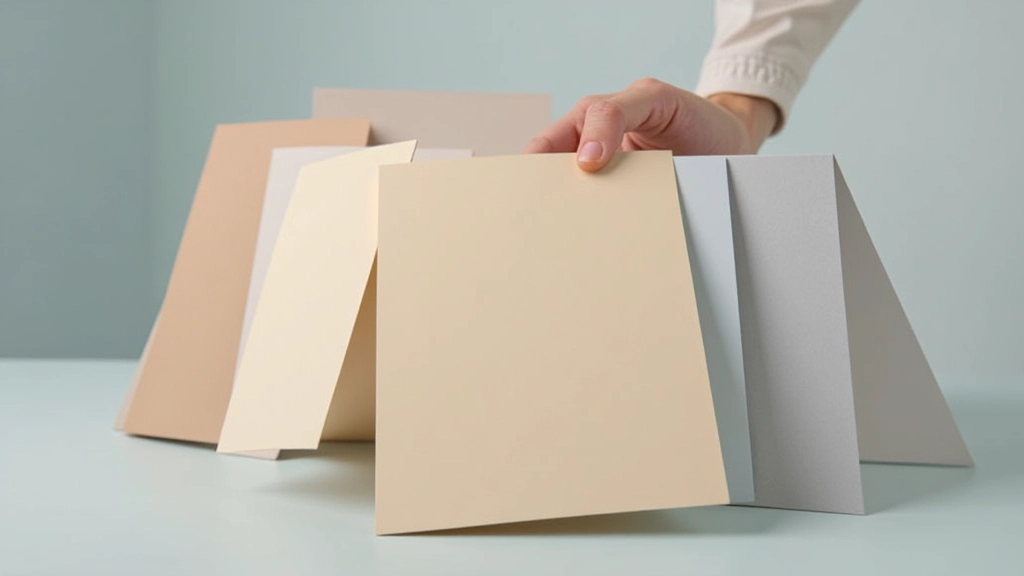
Paper isn't just paper. When you're ordering business cards, leaflets, or posters, the weight and finish of your stock changes how people perceive your brand. A flimsy 100gsm card feels cheap in someone's hand. Move up to 350gsm and suddenly it feels substantial, professional, worth keeping.
GSM stands for grams per square meter. It's a direct measure of thickness. For business cards, most people choose 300-400gsm. For flyers and leaflets, you'll see 170-250gsm. The higher the number, the stiffer the card, and the higher the cost. But here's the thing — you don't always need the thickest option. A 250gsm leaflet feels premium without breaking your budget.
Finishes matter too. You've got matte (no shine, professional), gloss (reflective, vibrant colors pop), and silk (subtle sheen, feels expensive). Matte hides fingerprints better. Gloss makes colors look richer but can be harder to read in bright light. Silk is the middle ground — it's becoming popular with retailers who want quality without the glare.
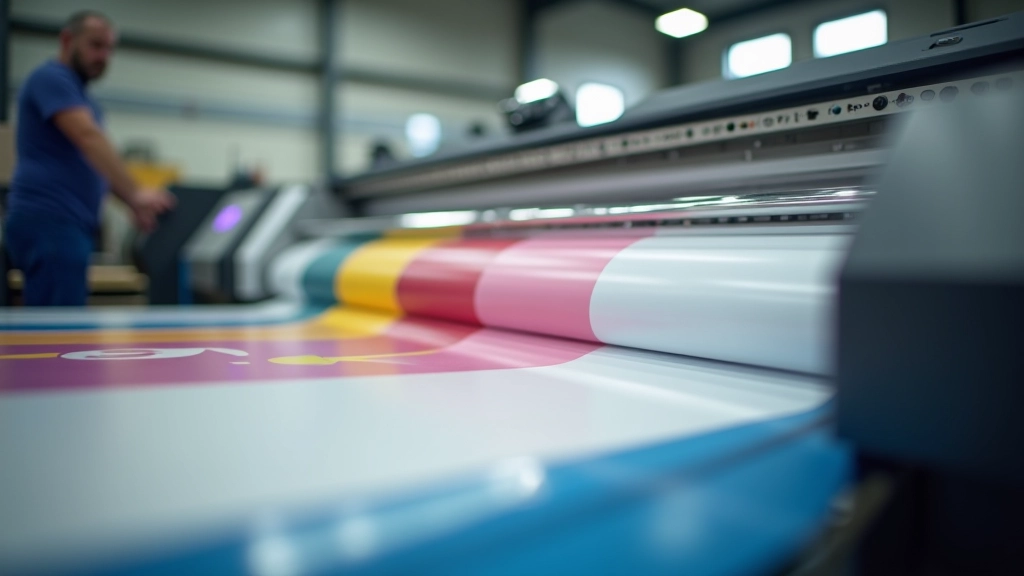
If your print's going outside or staying up for months, you need to think about vinyl and other weather-resistant materials. Standard paper will fade, curl, and fall apart within weeks if it's exposed to rain or UV light. Vinyl banners, on the other hand, are built to last.
Vinyl comes in different thicknesses too — typically 300, 440, or 610 microns. Thicker vinyl costs more but handles wind and weather better. For a shopfront sign that'll stay up year-round, you're looking at 440+ microns. It won't degrade in Irish sun (yes, we get some), rain, or cold.
There's also mesh vinyl for high-wind areas. It's got perforated holes that let wind pass through instead of catching it. Costs a bit more, but if your sign's on a blustery street corner, it's worth the investment. The material won't tear or warp like it would if you used solid vinyl in the same conditions.
Important Note: This article is educational only and is not financial or investment advice. Outcomes and durability depend on your specific use case, storage conditions, and environmental factors. We recommend consulting with your print supplier about material suitability for your particular application.
Here's where it gets practical. You don't want to overspend, but you also don't want your materials falling apart after a week. The key is matching material quality to how long you need the print to last and where it'll be used.
Business cards printed on 300gsm matte card might cost 20-30% more than 250gsm, but they'll feel better and last just as long in someone's pocket. That's usually worth it. For a one-off promotional flyer going in a mailbox, standard 170gsm might be fine — it's cheaper and appropriate for that use.
Window posters? Don't cheap out. A 250gsm card with UV-resistant laminate will last months. A thin 100gsm poster will start looking shabby within weeks. Factor in the cost of reprinting and the cheap option becomes expensive.

Lamination isn't just about making things shiny. It's about protection. A laminated card or poster resists moisture, scratches, and fading. If you're printing something that'll get handled a lot or displayed outdoors, lamination extends its life significantly.
Gloss lamination gives a shiny finish and makes colors pop. Matte lamination keeps things looking professional without the shine. Both options cost a bit extra but can double the lifespan of your print. A business card without lamination might last a year in someone's pocket. With lamination? It'll look fresh after two years.
UV coating is another option — it's a liquid coating applied instead of film lamination. It's cheaper, gives a subtle protection, and keeps your print looking good. Not as durable as full lamination, but perfect for leaflets that need a bit of extra life without the added cost.
Sometimes standard options aren't enough. You might need magnetic materials for fridge magnets, self-adhesive vinyl for window decals, or fabric-backed materials for banners that'll be used repeatedly. Each has different durability characteristics and costs.
Magnetic materials work well for promotional items that'll stay on a fridge for months. They won't degrade from temperature changes or humidity. Self-adhesive vinyl is perfect for retail windows — it sticks well, resists peeling, and you can reposition it without leaving residue if you use quality adhesive.
If you're ordering signage that needs to last through seasons of use, ask your supplier about their material recommendations. They'll know what works in Irish weather — the damp, the occasional frost, and yes, the rare sunny days. Don't assume all materials are equal. A conversation with your printer before ordering saves headaches later.

Choosing print materials doesn't have to be complicated. Start by asking yourself three questions: Where will this print be used? How long does it need to last? Who's handling it and how often? Your answers guide your material choice.
A business card that'll be handed out at networking events needs durability — go with 300+ gsm. A leaflet going in a newspaper insert can be thinner and cheaper. A shopfront sign needs to handle weather — vinyl with proper thickness and lamination. A point-of-sale poster that'll be replaced monthly? Standard card with a basic finish works fine.
Your print supplier can help. Tell them what you're making and how you'll use it. They've seen what works and what doesn't. Their recommendations, combined with what you've learned here,'ll help you make choices that balance quality, durability, and cost. That's how you end up with print materials that look great and actually last.
Ready to learn more about preparing your files for print?
Read our File Preparation Guide
Understanding vinyl banners, poster printing, and roll materials. Covers substrates, ink types, and when to choose large format for your business.

Making your storefront stand out with effective signage design. Layout, typography, and color choices that attract customers.

Getting your files print-ready. Color modes, resolution, bleed, and common mistakes that delay production or affect quality.